
Introduction
The digital entertainment landscape has changed significantly in recent years, with users increasingly expecting platforms to provide simple account access, organized navigation, mobile compatibility, and responsive digital experiences. Winadda can be understood through this broader idea of a connected digital ecosystem, where account management, website access, mobile interfaces, user identification, and support functions work together rather than operating as completely separate elements.
For someone exploring Win adda, understanding how these different components relate to one another can make the overall experience easier to navigate. Terms such as Winadda Login may appear in different contexts, but they can all be viewed as parts of the wider platform experience. Users should also check the applicable laws and platform terms in their location before using any online gaming or entertainment service.
What Is the Winadda Platform?
The Winadda App can be described as a digital environment built around account access and online interaction. Instead of thinking of the platform as a single webpage, it is more useful to see it as a collection of connected touchpoints. These touchpoints can include the main website, account registration, login functionality, mobile access, user identification, and assistance when an account requires attention.
A well-organized digital ecosystem aims to make movement between these areas straightforward. A user may begin by learning about the service, continue through registration, access an account using their credentials, and later return through a mobile device. Each stage depends on the previous one, which means account information and secure access are important parts of the overall structure.
This interconnected approach is particularly relevant for users who move between desktop and mobile devices. Rather than treating every access method as an independent service, the ecosystem concept explains how different interfaces can support the same underlying account experience.
Understanding Winadda Registration and Signup
The first important component of the ecosystem is account creation. Winadda Registration refers to the process through which a new user establishes an account, while Winadda Signup is commonly used to describe the same general starting stage.
Registration is more than simply entering information into a form. A properly designed registration experience should make it clear what information is required, how account credentials will be used, and what terms apply to the service. Users should carefully review any available privacy information, age requirements, geographical restrictions, and terms before completing registration.
Once registration has been completed, the resulting account becomes the foundation for subsequent platform interactions. This is where the Winadda ID becomes relevant. An account identifier can provide a consistent way of distinguishing one user account from another while helping organize access across supported interfaces.
Understanding this relationship makes the digital ecosystem easier to visualize: registration establishes the account, the account receives an identification method, and that identity can then be used when accessing supported platform services.
The Role of Winadda Login
After an account has been established, Winadda Login becomes one of the primary access points. Login systems are designed to verify that the person attempting to access an account has the appropriate credentials.
From an ecosystem perspective, login is not simply a button on a webpage. It is the gateway between the public-facing platform and a user’s private account area. A secure login process should protect account information while making legitimate access convenient.
Users should avoid sharing passwords or account credentials with other people. It is also sensible to use unique passwords and to pay attention to the address of the website before entering sensitive information. Phishing websites can imitate familiar login pages, so checking the domain and using trusted access routes can reduce unnecessary security risks.
The quality of the login experience can also influence how easily users move between devices. A consistent authentication process helps connect desktop and mobile interactions to the same account environment.
Winadda App and Mobile Accessibility
Mobile devices have become an important part of digital platform usage, making application-based access another significant element of the ecosystem. The Winadda App may refer to a mobile-oriented interface designed to make platform features easier to access from a smartphone or tablet.
A mobile application can provide a more focused interface than a traditional desktop website. Navigation can be adapted for smaller screens, frequently used functions can be placed within easier reach, and account access can be designed around touch-based interaction.
However, users should distinguish between an official application and unofficial software that happens to use a similar name. Before installing an application, it is important to verify its source, permissions, publisher information, and security characteristics.
Mobile convenience should never replace basic security awareness. Users should keep their devices updated, use screen locks, avoid installing unknown files, and review application permissions before granting access.
Understanding Winadda Apk
The term Winadda Apk generally relates to an Android application package. APK files are commonly used to install applications on Android devices, but obtaining an APK from an unknown third-party website can create additional security concerns.
An application file should therefore be treated differently from an ordinary webpage. Users should verify that the file comes from a legitimate and trusted source before installation. Unknown APK files may contain modified software, unwanted advertisements, tracking components, or other security risks.
The wider digital ecosystem depends on trust between the user, software, and platform. For that reason, convenience should not be the only consideration when choosing how to access an online service. Official distribution channels and verified sources are generally preferable whenever they are available.
How Winadda ID Fits Into the Ecosystem
The Winadda ID can be viewed as the identifying connection between a user and their account. While the exact implementation may vary, an account ID generally helps organize user-specific information and distinguish one account from another.
This identity layer is important because multiple access methods may ultimately connect to the same account. A user might access a platform through a website on a computer and later use a mobile interface. The underlying account identity provides continuity between those interactions.
Users should keep account identifiers private when they are connected to sensitive account information. If an ID is requested by customer support, users should first confirm that they are communicating through an official support channel.
The Meaning of Winadda Book
The term Winadda book may be used in different ways depending on the context in which users encounter it. It can refer to a branded information area, account-related resource, or another platform-specific component.
Because terminology can vary between websites and services, users should avoid assuming that a particular label has a universal technical meaning. The most reliable approach is to examine the context in which the term appears and consult the platform’s own documentation or support information where available.
This illustrates an important feature of digital ecosystems: familiar words can sometimes describe different functions. Understanding the actual purpose of each component is more useful than relying solely on its name.
Why Winadda Followup Matters
Another part of the ecosystem is ongoing account assistance. Winadda Followup can be understood as the process of returning to an unresolved account, access, or support matter after an initial interaction.
Follow-up is especially relevant when a user encounters a login problem, registration question, verification issue, or another account-related concern. Instead of repeatedly creating new requests, a structured follow-up process can help keep the original issue organized.
Users should retain relevant information from legitimate support interactions and avoid sending passwords, authentication codes, or other sensitive credentials through informal channels. If a support representative requests confidential information, users should independently verify the request before responding.
Connecting the Different Parts of the Digital Ecosystem
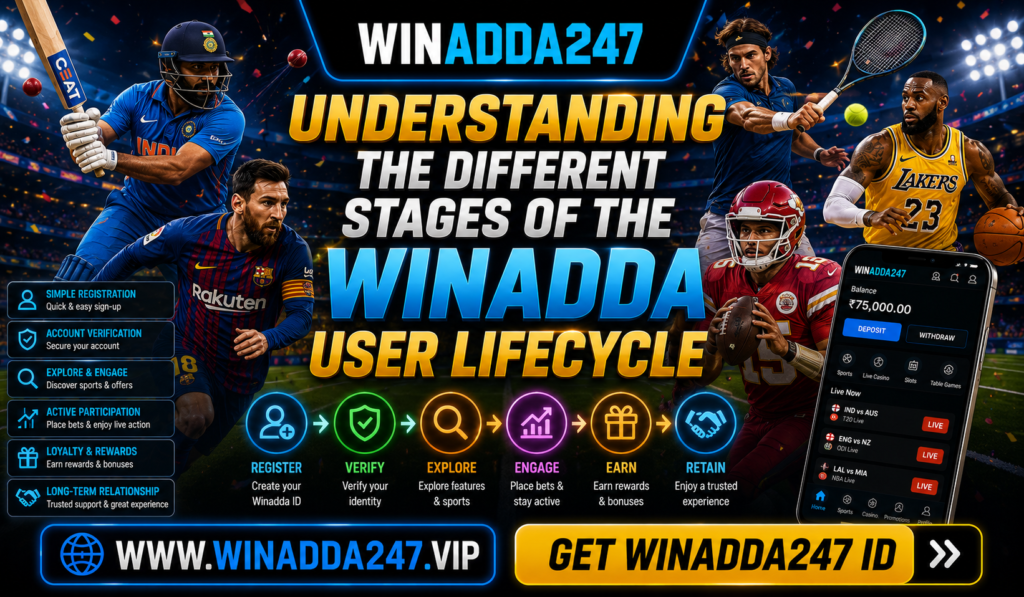
The easiest way to understand the Winadda Platform is to view each component as part of a larger journey. Registration creates an account, the account is associated with an identity, login provides controlled access, and supported mobile interfaces provide another way to interact with that account.
The ecosystem can therefore be understood as a continuous cycle rather than a collection of unrelated features. A user discovers the platform, reviews its terms, completes registration if eligible, manages account credentials, accesses the account through an appropriate channel, and seeks legitimate support when necessary.
This structure also explains why security should be considered throughout the entire experience. Protecting an account is not only about choosing a strong password. It also involves using trusted websites, verifying applications, recognizing suspicious messages, keeping devices updated, and being careful with personal information.
Creating a More Reliable Digital Experience
A good digital ecosystem should balance accessibility, organization, security, and transparency. From a user’s perspective, this means being able to understand where to register, how to access an account, which mobile options are legitimate, and where to seek assistance.
Users can improve their own experience by keeping their account details organized and avoiding unnecessary third-party tools. They should also review platform policies periodically because service features, access requirements, and regional availability can change over time.
The same principle applies to mobile usage. Whether someone chooses a browser-based interface, an official Winadda App, or another supported access method, the safest approach is to confirm that the source is legitimate before entering account information.
Conclusion
The Winadda Platform is easier to understand when viewed as a connected digital ecosystem rather than a single online destination. Winadda Signup and Winadda Registration represent the account-creation stage, while Winadda Login provides controlled access afterward. The Winadda ID connects the user to their account, while mobile options such as the Winadda App and references to Winadda Apk relate to device-based access.
Terms such as Winadda book and Winadda Followup may have more specific meanings depending on where they are used, so users should always check the relevant context rather than making assumptions. Ultimately, understanding how these components connect can make digital navigation more straightforward while encouraging better security habits.
Before using any online platform, users should verify its legitimacy, review applicable terms and regional requirements, protect their credentials, and use only trusted access channels. A strong understanding of the digital ecosystem is therefore not only about knowing what each term means, but also about knowing how the different parts work together to create a safer and more organized online experience.
 Get APBook ID Now